


Integrated Food Ingredient Market Future Outlook, Opportunities and Growth Potential
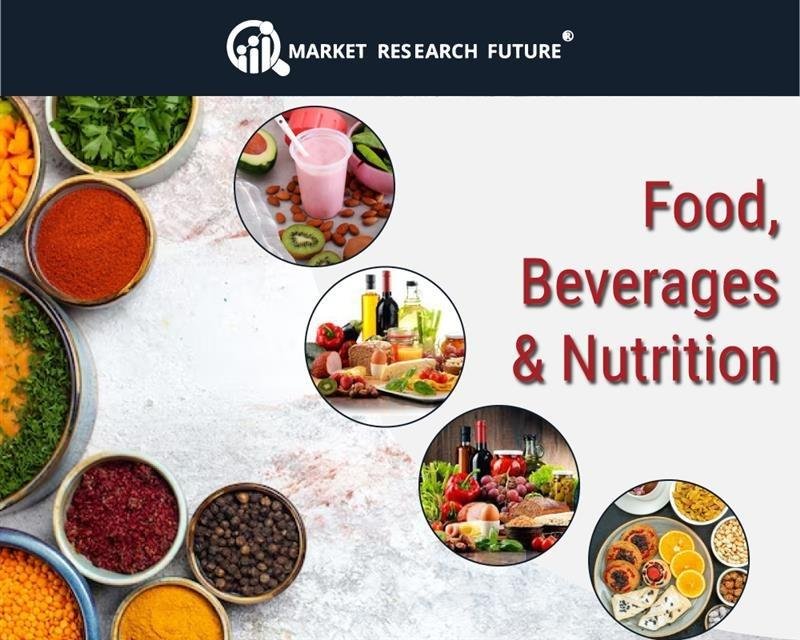
The future of the Integrated Food Ingredient Market will be shaped by the convergence of nutrition, convenience, sustainability, technology, and changing dietary preferences. According to Market Research Future, the market is projected to grow from USD 71.09 billion in 2025 to USD 96.3 billion by 2035, expanding at a 3.08% CAGR.
The increasing demand for next-generation food ingredient solutions is creating opportunities for manufacturers to develop products that combine nutritional benefits, appealing taste, improved functionality, clean-label characteristics, and sustainable sourcing.
Future Growth Through Functional Nutrition
Functional nutrition is expected to remain one of the most important areas of opportunity. Consumers are increasingly interested in foods and beverages that support broader wellness objectives.
This creates demand for ingredients that can provide nutritional enhancement without compromising taste or texture. Food companies are expected to continue investing in fortified products, functional beverages, nutritional snacks, and specialized formulations.
The expansion of these categories can create opportunities throughout the ingredient supply chain.
Plant-Based Formulations Remain Important
Plant-based foods are likely to remain a major innovation area. Manufacturers need sophisticated ingredient solutions to address common formulation challenges involving taste, texture, stability, and nutritional quality.
The development of better plant-based ingredient systems could expand consumer acceptance and encourage broader adoption beyond traditional vegetarian and vegan audiences.
Asia-Pacific is particularly relevant because changing dietary habits and expanding food-processing industries provide opportunities for plant-based and functional product development.
Powder Ingredients Offer Convenience
Powder-based ingredient formats are expected to remain attractive because they can provide convenience, storage advantages, formulation precision, and longer shelf stability.
These characteristics make powdered ingredients suitable for a wide range of applications, including beverages, bakery products, snacks, nutritional products, and foodservice formulations.
Manufacturers may increasingly use powder formats as they seek efficient transportation, storage, and processing solutions.
Sustainability Will Remain a Key Requirement
Sustainability is likely to become an increasingly important differentiator. Ingredient suppliers will face growing pressure to improve sourcing transparency, reduce waste, optimize production, and minimize environmental impact.
Companies that integrate sustainability into their ingredient development strategies may strengthen relationships with food manufacturers seeking to improve their own environmental performance.
Emerging Market Opportunities
Emerging economies offer substantial long-term potential. Rising incomes, urbanization, expanding retail channels, and changing lifestyles can increase demand for packaged foods and beverages.
Local taste preferences will remain important. Ingredient companies that can customize solutions for regional cuisines and consumer expectations may find stronger opportunities than suppliers relying solely on standardized products.
Technology as a Growth Enabler
Technology will continue to influence the market through automation, artificial intelligence, advanced food processing, and digital product development.
These technologies can support improved formulation consistency, faster product development, quality control, and operational efficiency. The ability to combine technology with ingredient science may become a major source of competitive differentiation.
2035 Market Perspective
The Integrated Food Ingredient Market is projected to reach USD 96.3 billion by 2035. This growth reflects continuing demand for innovative ingredients capable of supporting the evolving requirements of the global food and beverage industry.
Companies that successfully address clean-label expectations, nutritional enhancement, plant-based demand, sustainability, and processing efficiency will be well positioned to participate in the market's long-term development.
FAQs
1. What will drive the Integrated Food Ingredient Market through 2035?
Clean-label demand, nutritional enhancement, plant-based foods, sustainability, and technological advancements are expected to remain major growth factors.
2. What will the market be worth by 2035?
The market is projected to reach approximately USD 96.3 billion by 2035.
3. What opportunities exist for ingredient manufacturers?
Major opportunities include plant-based formulations, clean-label solutions, functional nutrition, sustainable ingredients, emerging markets, and advanced processing technologies.

 English
 Arabic
 French
 Spanish
 Portuguese
 Deutsch
 Turkish
 Dutch
Dutch
 Italiano
 Russian
 Portuguese (Brazil)
 Greek
Greek